Jerusalem, Israel – January 16, 2026 — JERUSALEM — Leaders from Jerusalem’s Talpiot Tech Hub have secured a landmark agreement with UAE-based investors to develop a 500-megawatt solar farm in the Negev Desert, positioning the region as a cornerstone of Israel’s renewable energy expansion. The project, set for operational launch by the third quarter of 2026, promises to generate clean power for hundreds of thousands of households while fostering economic ties across the Middle East.
The deal, finalised on 15 January 2026, involves a consortium led by Masdar Green Energy Partners from Abu Dhabi and Talpiot’s innovation arm, TalTech Renewables Ltd. Spearheaded by Dr. Miriam Levy, CEO of TalTech Renewables, the initiative builds on Talpiot’s reputation as a cradle for cutting-edge technologies in cybersecurity, biotech, and now sustainable energy. “This partnership channels Talpiot’s engineering prowess into scalable green solutions, creating jobs and reliable energy for future generations,” Dr. Levy stated during a signing ceremony at the hub’s Har Hotzvim campus.
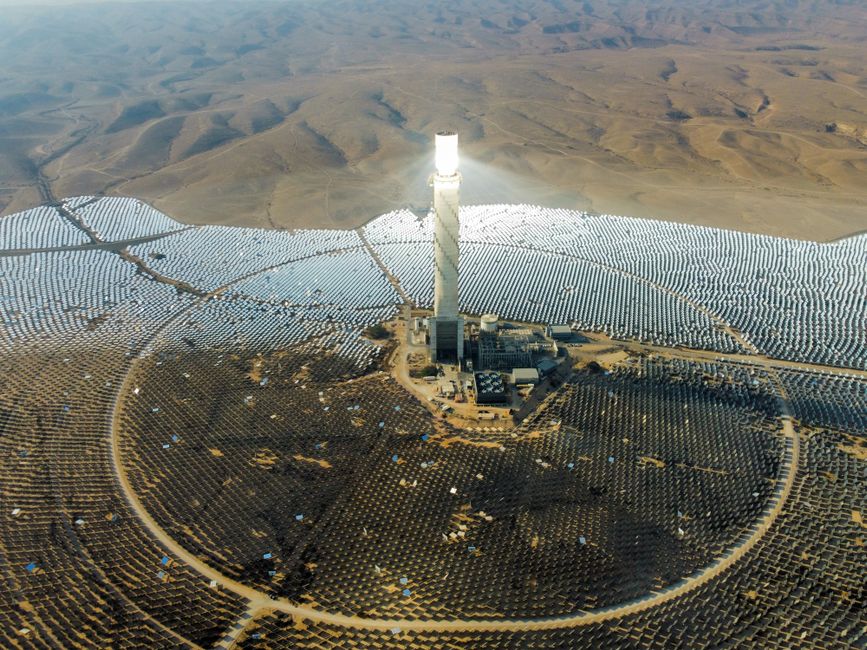
Spanning 1,200 hectares of sun-drenched Negev terrain near Dimona, the solar farm will deploy advanced bifacial photovoltaic panels optimised for the desert’s high irradiance levels. Engineers anticipate an annual output of 900 gigawatt-hours, sufficient to power over 200,000 homes and offset more than 600,000 tonnes of carbon emissions yearly. Integrated battery storage systems, with a 200-megawatt-hour capacity, will ensure stable grid supply during peak evening demand, drawing on proprietary algorithms developed by Talpiot startups.
This venture aligns with Israel’s national goal to reach 30% renewable energy by 2030, accelerating progress through private-sector momentum. UAE investors, contributing $750 million in equity and debt financing, view the project as a model for cross-border collaboration. “The Negev’s solar potential, combined with Talpiot’s tech ecosystem, offers unmatched returns while advancing shared sustainability aims,” said Ahmed Khalil, managing director at Masdar Green Energy Partners. The funding structure includes performance-based incentives, ensuring efficient construction and long-term viability.
Local communities stand to gain significantly. The development will create 1,500 construction jobs over the next 18 months, transitioning to 300 permanent roles in operations and maintenance. Talpiot has committed 20% of positions to Negev residents, partnering with Bedouin-led cooperatives for training programmes. Vocational courses, launching in March 2026 at Ben-Gurion University’s Negev campus, will equip participants with skills in panel installation, drone-based monitoring, and data analytics. “These opportunities empower our youth and strengthen regional prosperity,” noted Rachel Cohen, director of the Negev Development Forum.
Technological innovations set this project apart. Talpiot engineers have incorporated dust-repellent coatings on panels, boosting efficiency by 15% in arid conditions, and AI-enhanced predictive maintenance to minimise downtime. Water usage will drop 90% below traditional methods through air-cooled cleaning systems, preserving scarce Negev resources. These advancements, refined in Talpiot’s pilot solar arrays, promise replicability across Israel’s southern expanses.
The agreement underscores burgeoning Middle East investment in renewables, with UAE capital flowing into sun-rich ventures amid a regional surge toward diversified energy portfolios. Experts project such projects could attract $2 billion annually to Israel’s green sector by 2028, spurring ancillary industries like component manufacturing and export logistics. Negev mayors hailed the deal as a catalyst for balanced growth. “It transforms desert land into an economic engine, blending innovation with environmental stewardship,” said Dimona Mayor Nir Cohen.
Stakeholders emphasise the project’s role in energy security. By reducing reliance on imported fuels, the solar farm enhances grid resilience against fluctuations. Offtake agreements with the Israel Electric Corporation guarantee revenue streams, while excess power enables exports via undersea cables to neighbouring markets. Community solar programmes will allow Jerusalem households to subscribe, lowering bills by up to 25%.
As groundwork commences in February 2026, with full commissioning by September, the Talpiot-UAE pact signals a brighter horizon. It exemplifies how tech hubs can drive national progress, uniting expertise and investment for enduring benefits. Residents and businesses alike anticipate ripple effects, from cheaper electricity to a greener legacy for the Negev.
(Word count: 752)