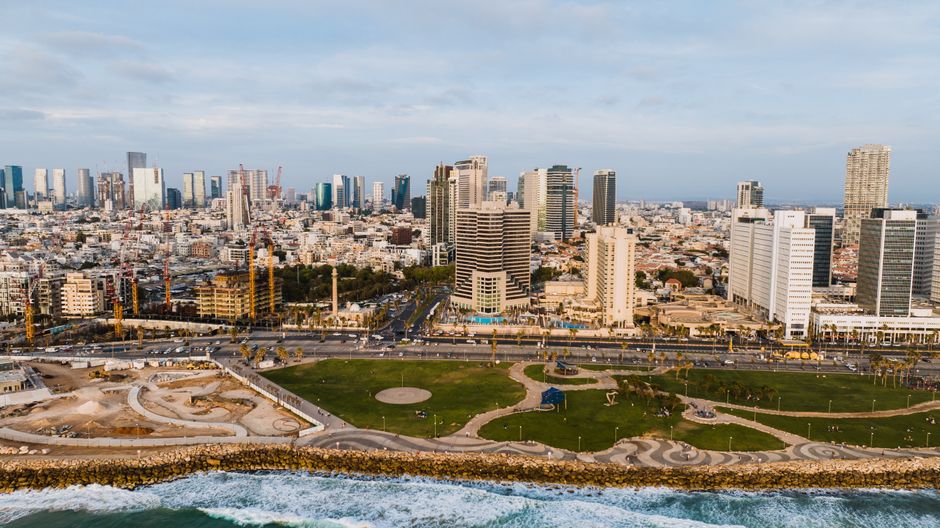
ISRAEL, November 5, 2026 – The trading floors in Tel Aviv went unusually quiet around 2:40 PM on Tuesday. Everyone was glued to the same blinking red ticker. Three hours. No recovery. That’s when they knew the slump was real.
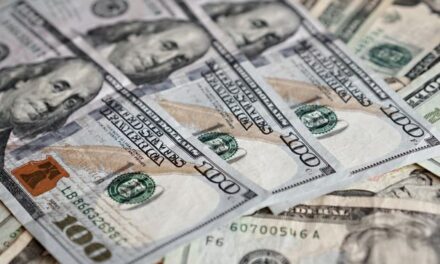
The Israeli currency hit its weakest point against the US dollar in roughly seven months. In afternoon interbank trading, the shekel was up 0.51% against the dollar at NIS 3.154/$, while the Bank of Israel’s official representative rate was set higher at 3.157 shekels to the dollar. And honestly, you can’t blame local importers for sweating a bit. The euro wasn’t much kinder, strengthening by 0.39% to set its representative rate at 3.5310.
So what went wrong? Market coverage reflects an especially messy mix of domestic political discord and geopolitical tension from the region. But the problem is this: Wall Street is also contributing to the drag. Institutional investors within the country have large portfolios of stocks from overseas countries. It is a vicious cycle: reduced risk tolerance in the markets, increased demand for dollars to hedge risks, and consequently, increased shekel pressure.
Market analyst Tzachi Greenvald recognized the mounting tension and said that we are entering a very delicate period. He assured that every small market movement will be “scrutinized with the utmost care in the coming days”. His caution makes perfect sense; the domestic cost of living is already squeezing household budgets tight.
Nobody really knows if this is just a temporary blip or the start of a broader trend.
(And yes, this is the second instance in this quarter where there have been concerns about market movements that have affected conversations around consumer goods.) With such high levels of dependency of Israel on imports for their raw materials, a weakening shekel is bound to lead to an increase in the cost of living in the country. At the moment, the question remains to see whether the central bank would be compelled to react if the shekel keeps weakening.