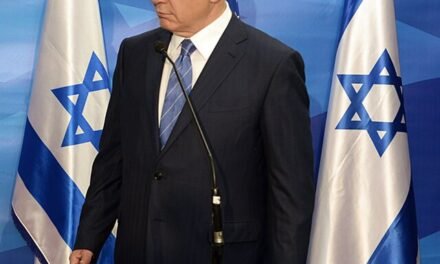
Israel, November 14, 2026 — The process of negotiating politics in Israel has increased in speed due to the fact that legislative leaders have indicated that Gadi Eisenkot was given the mandate. Those who are responsible for building coalitions will meet on an ongoing basis with the leaders of factions that support them to discuss areas where there are differences in opinions about policies. Many of those who observe these events state that the issues surrounding domestic stability and economic priorities continue to be the main issues discussed in the legislature. It was also announced by the presidential residence that the formal responsibility for forming a government has been transferred to Eisenkot. Leaders of parties had emergency caucus meetings to develop strategies regarding their requests for ministerial positions. Commentators in the media examine all aspects of the emerging agreements between coalition partners. There is growing public concern over the approaching constitutional deadline for forming a government. Diplomatic personnel from around the world are watching the political changes in Israel with great diplomatic curiosity.
Navigating Parliamentary Alliances
The creation of a stable majority of government is a complex task that involves making many compromises between different political parties and factions. Senior negotiators have to come to terms with the allocation of ministerial positions, in addition to writing the guidelines for a common legislative platform. Political analysts are closely watching the negotiations to see how long the new government may last. Ideological differences can make it difficult to create a unified legislative platform. Compromises can be made concerning sensitive issues such as religious vs. secular governance. Party whips have to use strict discipline when working with both new and experienced legislators. Diplomacy behind-the-scenes will intensify as faction leaders vie for influential committee chairmanships. The parliamentary mathematics will determine exactly what kind of coalition could be formed.
Economic and Security Priorities
Incoming government leaders will have to deal with a lot of financial pressure as well as very complicated regional security defense issues. The business community wants the budget approved as soon as possible so that there is some form of economic stability in place and investors feel confident about putting money into the country. Defense officials are telling coalition architects what they need to know concerning the current state of security along both our northern and southern borders. Treasury officials are warning against spending money on things that would lead to inflation in next year’s budget. Leaders within the defense establishment are asking for continued funding for upgrading our military capabilities. Foreign investors are cautiously optimistic, however, they will wait until after the new government outlines their plans for the economy before making any decisions. Projects related to building infrastructure continue to be at the top of the nation’s legislative priorities. Regional security concerns go beyond the regular day-to-day partisan politics.
Public Expectations and Outlook
The people are somewhat optimistic about whether there will be any semblance of political stability after having been stuck with no legislation being passed for so long. The media is highlighting the fact that many of the citizens want to see transparency in the way their government works and want to see some type of reforms made to help them economically. It’s anticipated that the Parliament will cast its vote to confirm the new government later this month, as the last-minute negotiations for forming the coalition have now been finalized. There are several civil society groups calling on the coalition to implement strong measures against corruption in the coalition agreements. Public opinion polls indicate that a large number of the citizens are looking for the Parliament to engage in constructive debates. Many citizens place higher priority on receiving relief from rising costs of living than on the ideology of one particular party. Ultimately, it is the final votes cast in Parliament that will decide who makes up the next government. A common theme in discussions among the general public is the need for national reconciliation and unity.