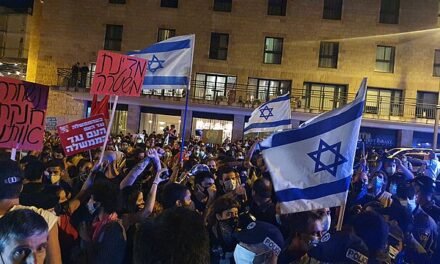
Thousands of Jerusalem residents gathered in the city’s central squares and neighbourhoods on Saturday, calling for an immediate end to hostilities as renewed ceasefire negotiations between Israeli and Palestinian representatives resumed in Cairo. The rallies unfolded under a visible and intensified security presence, reflecting both the gravity of the moment and the authorities’ determination to prevent unrest as diplomatic efforts reached a critical juncture.
The demonstrations, which began in the early morning and continued into the afternoon, drew a diverse cross-section of Jerusalem’s population. Jewish, Muslim, and Christian residents marched side by side, many holding banners bearing messages such as “Peace Now,” “Stop the War,” and “Bring Them Home.” Others carried photographs of missing loved ones or wore white in a symbolic gesture for peace.
Organisers described the rallies as a grassroots response to the protracted violence that has gripped the region since the outbreak of the Gaza war in October 2023. “People are exhausted by the endless cycle of fear and loss,” said one community leader. “We are here to demand that our leaders listen to the will of ordinary people who want a future free from bloodshed.”
The renewed ceasefire talks, mediated by the United States, Egypt, and Qatar, come after several failed attempts to halt the fighting in recent years. The latest negotiations are based on the so-called “twenty-point plan,” a multilateral proposal announced in late September by US President Donald Trump. The plan calls for an immediate ceasefire, the release of all hostages, a major prisoner exchange, and the deployment of an international stabilisation force in Gaza. It also outlines a pathway towards Palestinian self-determination and eventual statehood, though key issues remain deeply contentious.
Security in Jerusalem was significantly tightened ahead of the rallies, with police checkpoints established at major intersections and additional patrols deployed throughout the Old City and surrounding districts. Authorities cited concerns over potential clashes or attempts by extremist groups to disrupt the demonstrations. Despite these precautions, the rallies proceeded peacefully, with only minor incidents reported.
Local businesses in the city centre closed early as a precaution, and public transport was rerouted to accommodate the crowds. Many residents expressed cautious optimism that the renewed diplomatic push could finally bring relief after months of escalating violence and uncertainty. “We have seen so many promises before, but this time there is a sense that the world is watching and that there is real pressure on all sides to find a solution,” said a shopkeeper in the Mahane Yehuda market.
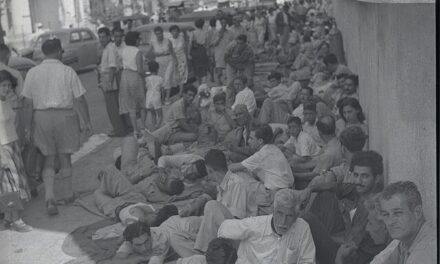
The humanitarian toll of the conflict has been severe. According to local aid organisations, hospitals in Jerusalem and nearby areas have been operating at capacity, treating both physical injuries and the psychological trauma inflicted by repeated rocket attacks and military operations. Community centres have reported a sharp rise in requests for counselling and support services, particularly among children and the elderly.
Religious leaders from all major faiths in Jerusalem issued a rare joint statement ahead of the rallies, urging political leaders to “seize this moment of opportunity” and warning that further delay could lead to irreversible consequences. “The people of Jerusalem know the cost of conflict better than most,” the statement read. “We call upon all parties to put aside hatred and mistrust and to embrace the difficult but necessary path of reconciliation.”
International observers have expressed cautious optimism regarding the talks, noting that previous ceasefire agreements have collapsed amid mutual recriminations and renewed violence. However, the current negotiations are said to be bolstered by broader international involvement and a more comprehensive framework for post-war reconstruction and governance in Gaza.
Israeli officials have maintained a guarded stance, reiterating the government’s commitment to security while acknowledging the widespread public desire for peace. Prime Minister Benjamin Netanyahu, speaking at a cabinet meeting earlier in the week, stated, “Israel seeks a durable and just peace, but will not compromise on the safety of its citizens.” Palestinian representatives have insisted on guarantees for the release of prisoners and the lifting of longstanding blockades as preconditions for any lasting agreement.
As night fell over Jerusalem, many demonstrators lingered in the city’s parks and plazas, lighting candles and singing songs of hope. For a brief moment, the city’s ancient walls echoed not with the sounds of conflict, but with the voices of residents united in their longing for peace.
The coming days are expected to be decisive, with negotiators in Cairo working against a tight deadline to finalise the terms of the agreement. For the people of Jerusalem, the outcome of these talks may determine not only the immediate future of the city but also the prospects for lasting stability in a region long scarred by division.
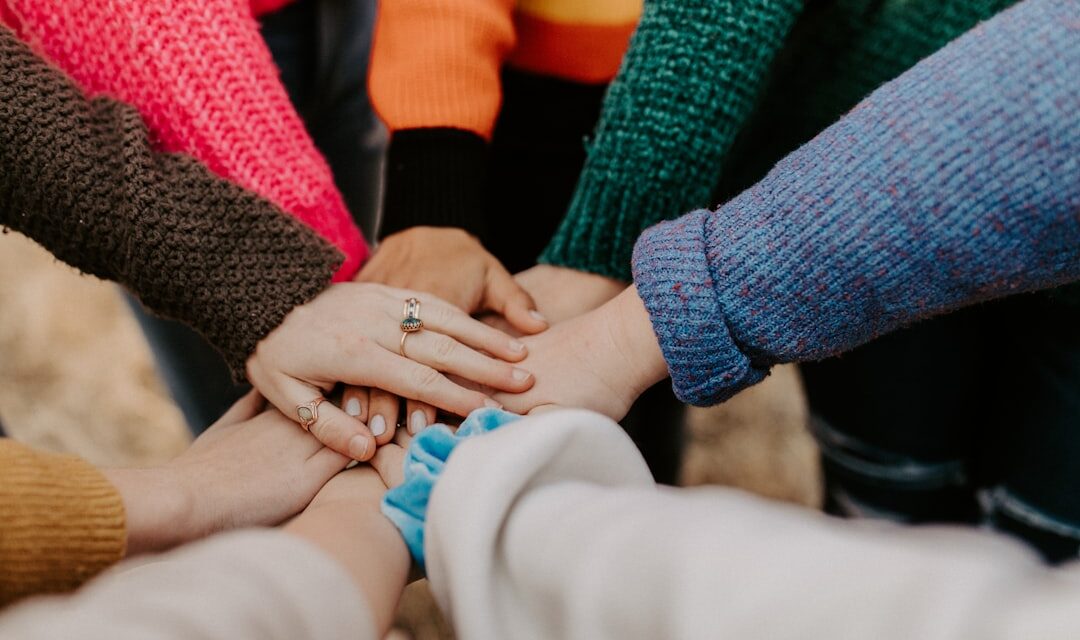
Image Credit: Photo by Hannah Busing on Unsplash