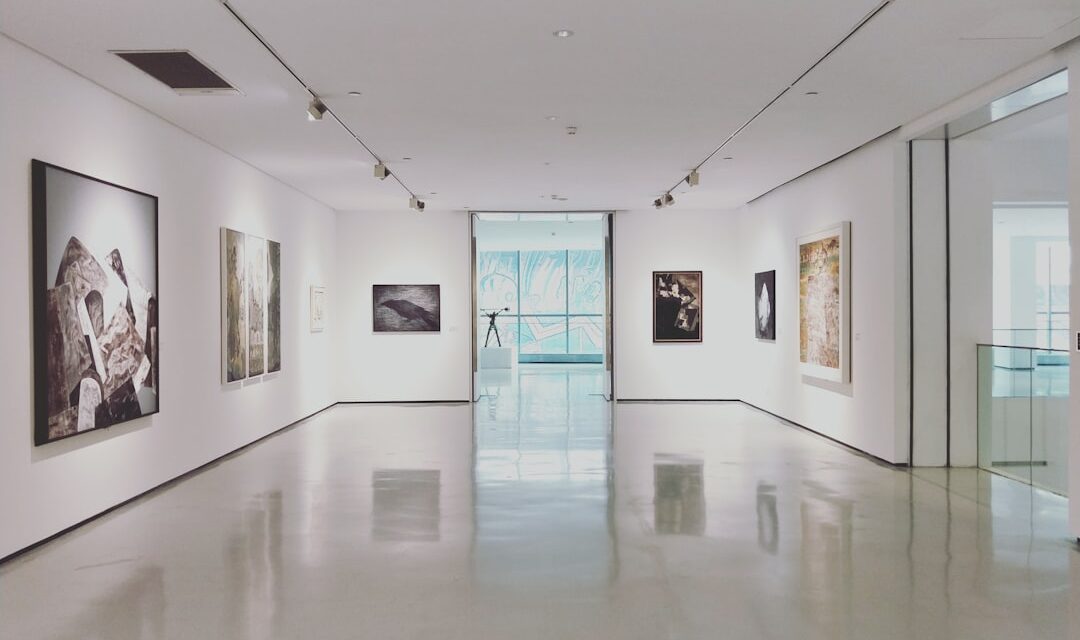
The Tel Aviv Museum of Art has unveiled a landmark exhibition, reuniting a significant collection of Reuven Rubin’s masterpieces for the first time in decades, after the artist’s former home and museum sustained damage during the recent conflict between Israel and Iran.
The exhibition, titled “Reuven Rubin: Be My Guest,” opened on 7 August and runs through 8 November, offering visitors a rare opportunity to view works from both the museum’s own holdings and those evacuated from the Rubin Museum, the artist’s historic residence in central Tel Aviv. The unprecedented gathering of Rubin’s paintings was prompted by emergency circumstances: during the 12-day war in June, a missile explosion near the Rubin Museum caused structural damage, necessitating the swift relocation of its treasured collection for safekeeping.
Museum officials described the event as an “unexpected encounter” between two major repositories of Rubin’s art, transforming a moment of crisis into a celebration of cultural heritage. Curator Dalit Matatyahu, along with assistant curators Kfir Meir and Adi Gross, emphasised the exhibition’s dual focus on hospitality and responsibility, noting that the act of hosting the rescued works in the museum’s galleries underscored the delicate relationship between host and guest.
Reuven Rubin, born in 1893 in Galați, Romania, is widely regarded as one of the founding figures of Israeli art. Arriving in Jerusalem in the early 1920s to study at the Bezalel School of Arts and Crafts, Rubin soon gravitated to Tel Aviv, where he became a central figure in the city’s burgeoning artistic scene. His early paintings, characterised by vibrant colours and simple forms, captured the landscapes and diverse communities of the young city and the wider region, presenting an idealised vision of coexistence among Jews, Arabs, pioneers, and immigrants.
Rubin’s artistic journey took him through Paris, Romania, and New York before he settled permanently in Tel Aviv. Over the decades, his style evolved, with later works adopting a darker, more introspective tone and drawing on Jewish-Biblical themes. Despite his engagement with modernist trends, Rubin never fully embraced abstraction, remaining committed to figuration and narrative throughout his prolific career.
The current exhibition not only reunites Rubin’s canvases but also places them in dialogue with works by later Israeli artists, including Arie Aroch, Joshua Borkovsky, Moshe Gershuni, Pinchas Cohen Gan, Hagit Lalo, Raffi Lavie, and Moshe Mokady. This curatorial choice highlights the ongoing influence of Rubin’s vision, while also exploring the tension and kinship between figurative and abstract traditions in Israeli art. The juxtaposition invites reflection on the evolution of national identity and artistic expression, as well as the enduring resonance of Rubin’s pastoral and mythic imagery.
Visitors to the exhibition are greeted by some of Rubin’s most iconic depictions of Tel Aviv, Jerusalem, and the Galilee, alongside lesser-known works that reveal the breadth of his artistic concerns. The galleries evoke a sense of both homecoming and displacement, echoing the circumstances that brought the paintings together. According to museum statements, the emergency evacuation and subsequent reunion of the collections serve as a metaphor for the fragility and resilience of cultural memory in times of upheaval.
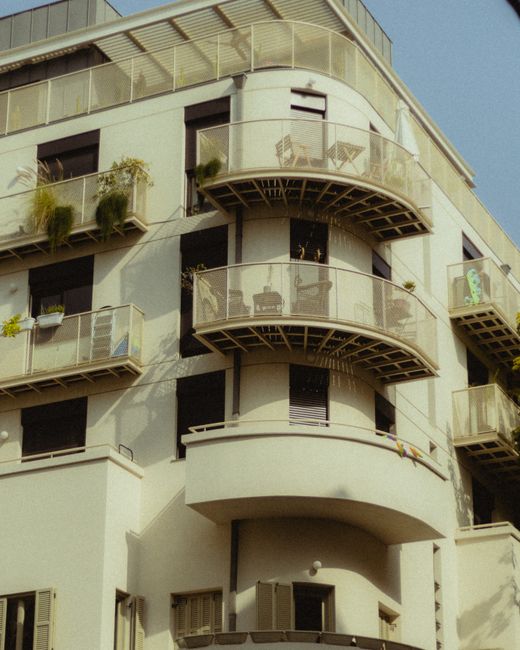
The Rubin Museum, established in the artist’s former home, has long served as a shrine to his legacy, housing dozens of his works and personal artefacts. Its temporary closure and the transfer of its collection to the Tel Aviv Museum of Art have prompted reflection on the responsibilities of cultural institutions in safeguarding heritage during conflict. Museum staff have worked closely with conservators to ensure the safe handling and display of the paintings, many of which had never before left the artist’s home.
Public interest in the exhibition has been considerable, with guided tours and educational activities attracting visitors of all ages. Special programmes for families and children invite participants to engage with Rubin’s art through creative workshops, fostering a sense of continuity and renewal in the face of recent adversity.
The exhibition’s title, “Be My Guest,” resonates on multiple levels, referencing both the literal hospitality extended to the displaced artworks and the broader imperative of openness and empathy in a divided world. As the city continues to recover from the effects of war, the reunion of Rubin’s masterpieces stands as a testament to the enduring power of art to unite, inspire, and heal.
Reuven Rubin died in 1974, leaving his home and a substantial body of work to the city of Tel Aviv. He was posthumously awarded the Israel Prize, the nation’s highest cultural honour, cementing his place as a central figure in the country’s artistic canon. The current exhibition, born of crisis yet marked by hope, offers a poignant reminder of the role of art in shaping collective memory and identity.
Image Credit: Photo by Dannie Jing on Unsplash