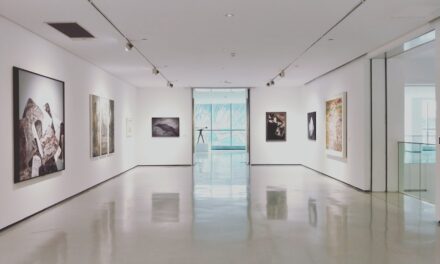
Jerusalem, Israel – November 26, 2025 — The Jerusalem Museum of Digital Art is set to break new ground this November with an ambitious exhibition curated by artificial intelligence, featuring interactive installations crafted by a new generation of local tech-artists. The event, which will run from November 27 through December 20 in the city’s Talpiot district, marks a significant milestone in the intersection of technology and contemporary art in Israel’s capital.
The exhibition, entitled “Emergent Realities,” is the result of a year-long collaboration between the museum’s digital innovation team and a diverse group of Jerusalem-based artists, software engineers, and AI researchers. The curatorial process, guided by a custom-designed AI system, has selected works that explore the evolving relationship between humans and machines, inviting visitors to engage directly with the art through touch, movement, and even voice.
Museum director Dr. Liora Ben-David described the project as “a celebration of Jerusalem’s vibrant creative community and its growing role as a hub for digital experimentation.” She added, “By integrating artificial intelligence into the curatorial process, we are not only expanding the boundaries of how art is selected and experienced, but also empowering our local artists to push their practice in bold new directions.”
Among the highlights of the exhibition is “Echoes of the City,” an immersive installation by Jerusalem-born artist and coder Maya Shalev. The piece invites visitors to step into a room where their movements are tracked by sensors and translated into dynamic visual projections, creating a constantly evolving digital mural inspired by the rhythms of urban life. Shalev, whose previous work has been exhibited in Tel Aviv and Berlin, said, “The AI curator recognised patterns in my portfolio that I hadn’t consciously noticed myself. It encouraged me to experiment with new forms of interactivity, making the creative process truly collaborative.”
Another standout is “Dialogue,” a kinetic sculpture by multidisciplinary artist Amir Tzur, which uses natural language processing to respond to spoken questions from visitors. The sculpture’s shifting forms and colours are generated in real time, reflecting the tone and content of each conversation. “This exhibition is a testament to how technology can foster deeper engagement between the artwork and the audience,” Tzur explained. “It’s not just about machines making decisions, but about creating a space where human curiosity drives the experience.”
The AI curatorial tool, developed in partnership with researchers from the Hebrew University’s Department of Computer Science, analysed hundreds of submissions from local artists. The system was trained to identify works that demonstrate originality, technical innovation, and potential for public interaction. Curators emphasised that the final selection process remained a collaborative effort, with human experts working alongside the AI to ensure a balanced and inclusive representation of Jerusalem’s creative voices.
Community involvement has been central to the project’s success. In the months leading up to the exhibition, the museum hosted a series of public workshops in Talpiot, inviting residents to test early versions of the installations and provide feedback. Local schools participated in coding and digital art sessions, encouraging young people to explore the possibilities of creative technology. “We wanted to make sure that this exhibition resonates with the neighbourhood and reflects the diversity of Jerusalem’s tech-art scene,” said exhibition coordinator Yael Mor.
The museum’s leadership hopes that “Emergent Realities” will inspire further collaboration between artists and technologists in Jerusalem and beyond. Plans are already underway for a series of follow-up events, including artist talks, live coding demonstrations, and hands-on workshops for families and students. The exhibition is expected to attract visitors from across Israel and international guests attending the city’s growing roster of digital arts festivals.
The Talpiot district, traditionally known for its industrial character, has in recent years emerged as a focal point for creative industries and innovation. The museum’s decision to host the exhibition in this neighbourhood reflects a broader commitment to fostering cultural renewal and community engagement outside the city centre. “Talpiot is rapidly transforming into a space where art, technology, and entrepreneurship converge,” noted Dr. Ben-David. “We are proud to contribute to this positive momentum.”
As Jerusalem continues to position itself as a leader in digital culture and creative technology, the Museum of Digital Art’s AI-curated exhibition stands as a testament to the city’s spirit of innovation and collaboration. Visitors to “Emergent Realities” will not only encounter cutting-edge installations, but also witness the unfolding story of a community embracing the future of art.
—
Image Credit: Photo by markuswinkler on Unsplash