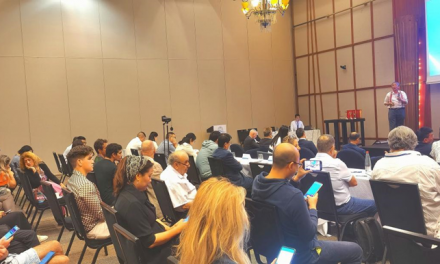
Jerusalem, Israel – November 26, 2025 — Jerusalem, Israel — In a significant stride towards smarter urban living, Har Hotzvim’s technology community has introduced a pioneering urban mobility platform designed to transform the city’s transportation landscape. The initiative, announced on Tuesday, 25 November 2025, brings together leading innovators, municipal planners, and global technology partners to address one of Jerusalem’s most persistent challenges: congestion in the city centre.
The new platform, developed through a collaboration of Har Hotzvim-based startups and established firms, leverages advanced data analytics and real-time traffic management to optimise the flow of vehicles, public transport, and pedestrians across Jerusalem’s busiest districts. Project leaders anticipate a 30 percent reduction in city centre congestion by the end of 2026, marking a major milestone in the city’s ongoing urban renewal efforts.
Har Hotzvim, located in northwestern Jerusalem, has long been recognised as the city’s high-tech nucleus. Home to over 15,000 employees and a diverse array of companies ranging from global giants to agile startups, the park has become synonymous with innovation and forward-thinking solutions. The mobility platform represents the latest chapter in Har Hotzvim’s evolution, reflecting its commitment to harnessing technology for public benefit.
“Jerusalem’s growth as a global technology hub is matched only by its determination to improve quality of life for residents and visitors,” said Dr. Tamar Ben-David, Chief Technology Officer at Valerann, one of the platform’s key contributors. “This project demonstrates how local expertise and international cooperation can deliver tangible improvements in urban mobility.”
The platform integrates city-wide sensor networks, predictive modelling, and user-friendly mobile applications to streamline traffic flow and reduce bottlenecks. Commuters will benefit from dynamic route suggestions, real-time updates on public transport schedules, and adaptive traffic signals that respond to changing conditions. For city planners, the system offers granular insights into congestion patterns, enabling more effective infrastructure investments and policy decisions.
Har Hotzvim’s unique ecosystem played a crucial role in the project’s development. The park’s proximity to major transportation arteries, including the Begin Expressway and Route 9, provided an ideal testing ground for new mobility solutions. Companies such as Mobileye, Intel, and Orcam contributed expertise in autonomous systems, sensor technology, and data security, ensuring the platform’s robustness and scalability.
The Jerusalem Municipality has endorsed the initiative, citing its alignment with the city’s broader sustainability goals. “We are committed to fostering innovation that serves the public good,” said Deputy Mayor Yael Shalev. “Reducing congestion not only improves air quality and economic productivity, but also enhances the daily experience for everyone who lives, works, or visits Jerusalem.”
Local residents and business owners have expressed optimism about the platform’s potential. Avi Cohen, manager of a café in the city centre, noted, “Traffic jams have always been a headache for customers and staff alike. If this technology can make commuting smoother, it will be a win for small businesses and the community.”
The platform’s rollout will occur in phases, beginning with pilot programmes in key districts and expanding city-wide over the next twelve months. Early adopters include public transport operators, taxi fleets, and delivery services, all of whom stand to benefit from more efficient routing and reduced delays. The system’s open architecture allows for integration with future innovations, such as electric vehicle charging networks and smart parking solutions.
Har Hotzvim’s leadership views the mobility platform as a blueprint for other cities facing similar challenges. “Jerusalem is demonstrating that high-tech solutions can address real-world problems,” said park director Erez Goldstein. “Our hope is that this project will inspire urban centres around the world to invest in intelligent infrastructure.”
The initiative has also attracted attention from international investors and urban planners, many of whom see Jerusalem as a model for sustainable city development. Venture capital funds, including OurCrowd and JVP, have signalled interest in supporting further expansion and commercialisation of the platform.
Looking ahead, the project team is focused on continuous improvement and community engagement. Regular feedback sessions with users, integration of new technologies, and partnerships with academic institutions will ensure that the platform evolves to meet changing needs.
As Jerusalem prepares for a future defined by innovation and inclusivity, Har Hotzvim’s urban mobility platform stands as a testament to the city’s ingenuity and collaborative spirit. By combining technological excellence with a clear vision for public benefit, Jerusalem is setting a new standard for smart cities in the region and beyond.
—
Image Credit: Photo by iamromankraft on Unsplash