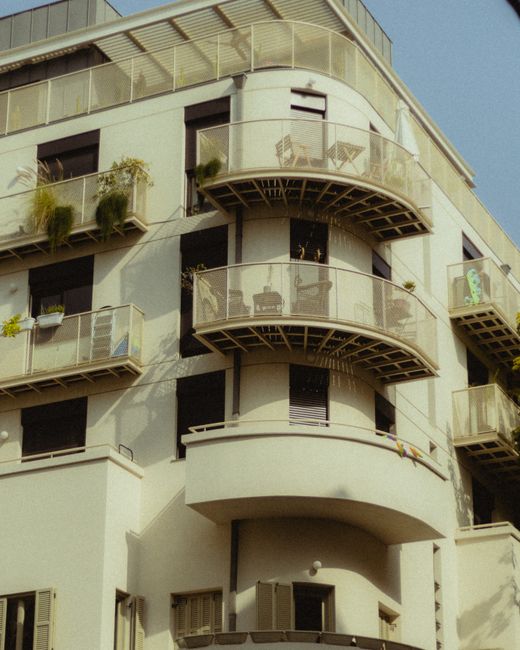
Jerusalem, Israel – January 16, 2026 — JERUSALEM (AP) — The Jerusalem District Council has announced plans for a transformative 2,600-unit eco-neighbourhood in the Amat Hamayim area, south of Kibbutz Ramat Rachel, with construction set to commence on January 20. This ambitious project promises to deliver sustainable living spaces integrated with green infrastructure, fostering a harmonious blend of residential growth and environmental stewardship in southern Jerusalem.
Positioned along the vibrant Derech Chevron corridor, the development spans expansive terrain east of the road, envisioning a self-contained community that prioritises energy-efficient homes, abundant green spaces, and pedestrian-friendly pathways. District Council officials describe it as a forward-thinking response to Jerusalem’s housing needs, incorporating solar-powered amenities, advanced rainwater harvesting systems, and native landscaping to minimise ecological impact. “This neighbourhood will set a benchmark for sustainable urban expansion, offering families access to modern homes while preserving the natural beauty of the landscape,” stated Einav Ringler, director of the planning and projects department at the Israel Lands Authority.
The initiative builds on meticulous planning to create a diverse residential mix, including low-rise family dwellings on the slopes rising to mid-height structures at the core. Public amenities form the heart of the design: expansive parks with playgrounds, community gardens, and recreational trails encourage outdoor living. Schools, synagogues, and neighbourhood clinics will serve residents, complemented by local shops and office spaces to support daily conveniences without lengthy commutes. Proximity to the forthcoming light rail line enhances connectivity, linking Amat Hamayim seamlessly to central Jerusalem and beyond.
Local leaders hailed the announcement as a milestone in addressing housing shortages while advancing ecological goals. Jerusalem Mayor Moshe Lion emphasised the project’s role in bolstering the capital’s residential capacity through innovative design. “By integrating eco-friendly features from the outset, we are ensuring long-term benefits for generations of residents,” Lion remarked during a council briefing. The development also aligns with broader efforts to utilise available land reserves effectively, promoting territorial cohesion and urban vitality in the region.
Community enthusiasm is palpable, with residents from nearby areas like Sur Baher and Har Homa expressing optimism about the influx of new facilities. “This will breathe fresh energy into our corner of the city, creating jobs during construction and vibrant public spaces for all,” said Rachel Cohen, a mother of three from Kibbutz Ramat Rachel. Purchasing groups are already forming to secure early access to units, drawn by the promise of human-scale architecture that fosters neighbourly bonds amid lush communal areas.
Engineers behind the project highlight technical innovations tailored to Jerusalem’s unique topography. Buildings will employ passive cooling techniques, such as shaded facades and natural ventilation, reducing reliance on air conditioning amid the region’s warm climate. Permeable pavements and bioswales will manage stormwater runoff, replenishing local aquifers and preventing erosion on the hilly site. Biodiversity corridors, planted with indigenous flora, aim to support wildlife habitats disrupted by prior urban growth. These measures not only lower operational costs for homeowners but also contribute to city-wide carbon reduction targets.
The January 20 groundbreaking ceremony, scheduled at 10 a.m. near the Derech Chevron junction, will feature council members, planners, and community representatives. Attendees can expect demonstrations of eco-building prototypes and interactive sessions on sustainable living. This event marks the culmination of years of collaborative planning, overcoming logistical hurdles to deliver tangible progress.
Looking ahead, the eco-neighbourhood forms part of a larger vision encompassing up to 5,000 additional homes in the vicinity, potentially housing over 10,000 residents. Synergies with adjacent developments, including enhanced road access and shared infrastructure, promise economic uplift through construction employment and ongoing services. Experts anticipate the project will stimulate local commerce, with hotels and business hubs attracting visitors and professionals alike.
Residents and officials alike view Amat Hamayim’s rise as a testament to Jerusalem’s commitment to progressive urbanism. By embedding sustainability into every facet—from energy-neutral homes to community orchards—the initiative exemplifies how thoughtful development can enhance quality of life. As shovels break ground next week, this eco-neighbourhood stands poised to enrich southern Jerusalem’s social fabric, offering a blueprint for resilient, inclusive growth.
(Word count: 752)
—
Image Credit: Photo by Samuel Markovich on Pexels