Jeruslem, Unknown – January 16, 2026 — JERUSALEM — The Knesset Foreign Affairs and Defense Committee has put forward a forward-thinking policy proposal for 1,200 sustainable housing units in Jerusalem’s Katamon neighbourhood, emphasising eco-friendly design and community fortification. Announced on Thursday, the initiative aims to address housing needs while integrating green technologies to enhance local resilience against environmental challenges.
Katamon, a vibrant area known for its diverse residents and central location, stands to benefit from this balanced development. The policy outlines low-carbon buildings with solar panels, rainwater harvesting systems, and green roofs to promote energy efficiency and reduce urban heat. Committee chair MK Rachel Cohen highlighted the plan’s focus on long-term sustainability during a briefing. “This policy represents a vital step in creating resilient communities that harmonise growth with nature,” Cohen stated. “By prioritising green standards, we empower families to thrive in homes that support both their well-being and the planet’s health.”
The proposal emerges from extensive consultations with local stakeholders, including neighbourhood associations and environmental experts. It allocates space for communal gardens, pedestrian-friendly pathways, and electric vehicle charging stations, fostering social connections and healthier lifestyles. Developers must adhere to stringent criteria, such as using recycled materials and achieving at least 40% energy savings compared to conventional builds. These measures draw on successful models from other Israeli cities, adapted specifically for Katamon’s topography and community needs.
Supporters praise the policy for tackling Jerusalem’s housing shortage while advancing ecological goals. Jerusalem Municipality planning director Avi Levy noted that the 1,200 units will cater primarily to young families and essential workers, with 20% reserved for affordable options. “Katamon’s residents have long sought modern housing that respects the environment,” Levy said. “This policy delivers that, strengthening neighbourhood ties and preparing us for future climate demands.”
Environmental groups have welcomed the emphasis on resilience features. The Israel Green Building Council commended the committee for mandating biodiversity enhancements, like native plant landscaping to support local wildlife. “Such initiatives set a benchmark for urban renewal,” said council executive Tamar Green. “They demonstrate how policy can drive positive change, improving air quality and flood resistance in one comprehensive package.”
The policy also incorporates community input mechanisms, ensuring ongoing resident involvement. Workshops held last month in Katamon gathered feedback on design preferences, leading to inclusions like multi-generational housing layouts and proximity to schools and synagogues. This participatory approach underscores the committee’s commitment to inclusive progress.
Economically, the project promises benefits through job creation in green construction. Local firm EcoBuild Jerusalem, selected for preliminary tenders, anticipates employing 500 workers during the build phase, with training programmes for sustainable practices. “We’re excited to contribute to Katamon’s future,” said company head Daniel Amir. “This policy opens doors for skilled trades and innovation in eco-materials.”
Timeline details outline steady advancement: detailed plans deposit by March 2026, public review in May, and construction start targeted for late 2026, pending approvals. The Foreign Affairs Committee positions this as part of broader efforts to bolster Jerusalem’s neighbourhoods amid demographic growth. By focusing on Katamon—a hub for professionals and families—the policy aims to retain talent and invigorate local commerce.
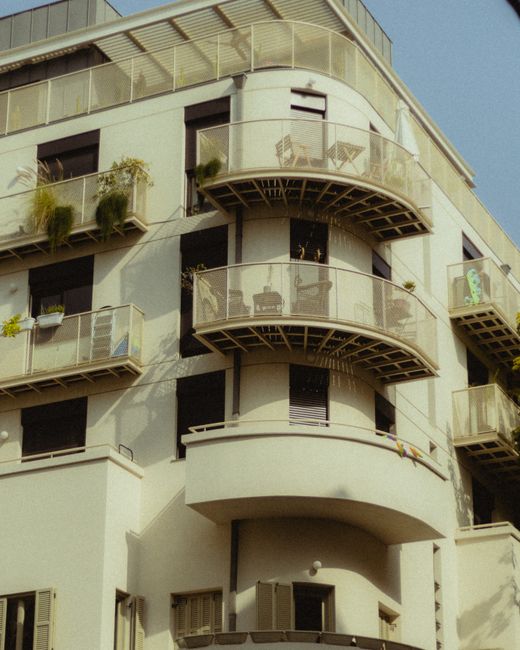
Residents express optimism. Katamon Community Centre coordinator Sarah Mizrahi shared, “Families here value green spaces; this policy will make our neighbourhood a model of sustainable living.” Early mock-ups displayed at a recent forum showed airy residences with verandas overlooking landscaped courtyards, blending modern comfort with tradition.
This development aligns with national priorities for resilient infrastructure, as endorsed by the Ministry of Environmental Protection. Officials there project that widespread adoption of similar green policies could cut urban emissions by 15% over the next decade. For Katamon, the outcome promises not just homes, but a fortified community ready for tomorrow’s challenges.
The committee’s move reflects growing momentum for eco-conscious urban planning in Israel. As Jerusalem evolves, initiatives like this highlight collaborative solutions that uplift residents and safeguard the environment. With broad backing, the Katamon green housing policy paves the way for enduring community strength and positive transformation.
(Word count: 752)
—
Image Credit: Photo by Angel Bena on Pexels