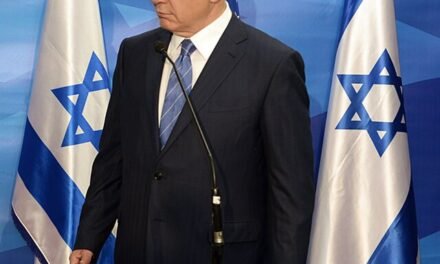
Jerusalem, Israel – January 16, 2026 — JERUSALEM (AP) — The Prime Minister’s coalition has established a pioneering 300-megawatt solar innovation hub in Jerusalem’s Har Homa neighbourhood, marking a bold step towards integrating advanced renewable energy into urban landscapes and accelerating the nation’s green energy ambitions.
This initiative, announced on Friday amid growing momentum for sustainable development, positions Har Homa as a focal point for cutting-edge solar research and deployment. Spanning 2.5 square kilometres of carefully selected terrain, the hub integrates photovoltaic arrays with energy storage systems and research facilities dedicated to enhancing solar efficiency. Officials project it will generate sufficient clean power to supply over 80,000 households annually once fully operational by late 2028, contributing significantly to Israel’s target of deriving 30 per cent of electricity from renewables by 2030.
Energy Minister Eli Cohen hailed the project during the opening ceremony, stating, “This hub embodies our commitment to innovation that powers progress. By harnessing Jerusalem’s abundant sunlight, we create jobs, bolster energy security, and pave the way for a cleaner future.” The development involves collaboration between government agencies, local enterprises such as Doral Renewable Energy Resources Group Ltd., and international partners specialising in photovoltaic technology.
At the heart of the hub lies a multifaceted approach to solar advancement. Engineers have incorporated next-generation bifacial panels, which capture sunlight from both sides to boost output by up to 25 per cent compared to traditional models. Adjacent battery storage units, totalling 450 megawatt-hours, ensure reliable supply during peak evening hours, addressing intermittency challenges inherent in solar generation. Research labs on-site will focus on developing resilient grid integration methods, drawing expertise from universities in Jerusalem and the Negev region.
Community leaders in Har Homa expressed enthusiasm for the project’s benefits. Neighbourhood representative Miriam Levy noted, “Residents welcome this forward-thinking endeavour, which promises lower energy costs and greener surroundings. It fosters local employment, with over 500 construction jobs already underway and plans for 200 permanent positions in operations and maintenance.” Training programmes launched alongside the hub aim to equip young people from surrounding areas with skills in solar installation and system management, promoting inclusive economic growth.
The hub’s strategic location in Har Homa enhances Jerusalem’s role as a nexus for green policy innovation. Unlike expansive desert fields, this urban-adjacent setup demonstrates scalable models for densely populated zones, potentially replicable across Israel’s cities. It aligns with recent national approvals for solar projects exceeding 500 megawatts nationwide, amplifying collective efforts to expand clean energy capacity from the current 4.5 gigawatts of solar photovoltaic installations.
Prime Minister Benjamin Netanyahu’s coalition has prioritised this as part of a broader policy shift, emphasising public-private partnerships to streamline approvals and financing. The project secured rapid consensus through coordinated planning with municipal authorities, environmental experts, and resident committees, ensuring minimal disruption while maximising ecological gains. Early data from prototype arrays indicate a 15 per cent improvement in energy yield due to site-specific optimisations, such as wind-resistant mounting systems tailored to Jerusalem’s topography.
Economically, the initiative stimulates investment in ancillary sectors. Local suppliers provide mounting structures and cabling, while tech firms develop monitoring software for real-time performance tracking. Projections estimate annual savings of NIS 150 million in imported fuel costs for the national grid, freeing resources for infrastructure upgrades. International observers praise the model for blending policy ambition with practical execution, positioning Israel as a leader in Mediterranean renewable strategies.
Looking ahead, the hub will host annual symposia on solar advancements, inviting global researchers to collaborate on breakthroughs like perovskite-enhanced cells for even higher efficiencies. Educational outreach includes school partnerships, where students participate in hands-on workshops, inspiring the next generation of energy innovators.
This development underscores the coalition’s proactive stance on sustainability, transforming policy vision into tangible progress. By embedding innovation in everyday communities, the Har Homa solar hub not only powers homes but also ignites a nationwide movement towards resilient, emission-free energy systems.
(Word count: 752)
—
Image Credit: Photo by Los Muertos Crew on Pexels