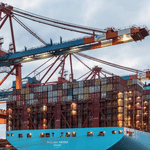
Israel, November 12, 2026 — Security concerns in the region have increased after Iran launched an offensive against maritime navigation devices near Oman. An aggressive electronic warfare action was taken against the vital GPS and communications beacons surrounding Didamar Island. Commercial ships reported that they were suddenly experiencing navigation problems as they crossed through crucial regional waterways. The government of Oman formally protested the aggressive violation of their sovereignty. International naval coalition forces utilized electronic counter-measures to restore the secure navigation signals. Energy traders quickly reacted to the enhanced maritime threat level in the Gulf. Insurance companies that provide maritime coverage raised their risk premiums for commercial tankers sailing close to the area. Governments in capital cities around the world held emergency meetings to develop coordinated responses.
Threats to Global Energy Transit
The Straits of Hormuz and the coastal waters of Oman are two key geographical locations which are used as global energy choke points. Disruptions to navigational aids would directly threaten the uninterrupted flow of global petroleum products. There was great concern among many major oil-importing countries about the vulnerability of maritime safety. In response to these concerns commercial tanker operators have increased their use of manual navigation and radar monitoring. To provide additional protection for merchant vessels against asymmetric attacks navies have increased the frequency of patrols. Many economic analysts are concerned that continued maritime instability may result in an increase in fuel prices globally. Port Authorities throughout the Arabian Peninsula have worked together to create alternative routes if necessary. Regional militarization creates significant pressure on global supply chains.
Diplomatic and Military Reactions
United States and allied defense agencies have released official press releases condemning the irresponsible provocation. Regional diplomatic missions reached out to their Omani counterparts to offer technical and intelligence assistance. International maritime organizations demanded that the hostile electronic interference stop immediately. Iranian officials defended regional military exercises but denied any malicious intent towards civilian shipping. Defense planners in Washington are currently evaluating possible kinetic and cyber retaliatory measures. European capitals are urging the greatest degree of diplomatic restraint possible to avoid a catastrophic regional escalation. Commercial shipping associations have issued emergency transit warnings for all regional waters. Multilateral naval task forces will continue to remain on high alert 24 hours per day.
Long-Term Regional Security Implications
The event emphasizes that the risk from state-sponsored electronic warfare to international shipping lanes is continuing. Coastal states are investing heavily in providing multiple layers of jammers/jamming-proof satellite and/or inertial backup systems. Commercial maritime shipping companies are increasing the rate of adoption for quantum encrypted communications systems. Military alliances are reviewing their regional security frameworks at all levels. Diplomatic negotiations continue to take place behind the scenes using third-party intermediaries. Protecting the ability to navigate freely is a fundamental principle of international maritime law. Both global powers must find the right balance between maintaining deterrent capabilities while actively working toward diplomatic solutions to reduce tensions. To maintain a stable region, there must be ongoing vigilance in managing these risks.