ISRAEL, NOVEMBER 3, 2026 — Diplomatic efforts and some limited military activity are being conducted simultaneously in the conflict over Iran, as both Washington and Tehran exchange proposed solutions to the issue this week. The conflict started when the U.S. and Israel launched coordinated attacks against Iran on February 28, and a temporary truce went into effect on April 8. Negotiations toward a long-term agreement have stalled since that time, and there was additional tension reported in the Strait of Hormuz on Tuesday, tracked through international diplomatic updates.
Where the Talks Stand
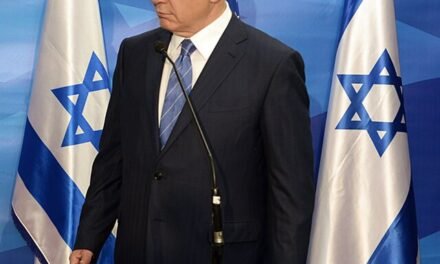
The U.S. and Iran reached an agreement in June on a memorandum of understanding to end the war. Since then, both sides have been unable to come to terms on a final agreement, and neither has made any announcements regarding a final agreement. Both Qatar and Pakistan have increased their efforts to mediate between the two nations, and Qatar believes that there is still hope for a final agreement. Iran’s Speaker of Parliament, Mohammad Bagher Ghalibaf, stated that the ball is now in America’s court to avoid war. Vice-President JD Vance has reported that President Donald Trump is confident that he will be able to reach a deal. A high-ranking Iranian official has stated that the two countries are still very far apart. President Trump stated that Iran would like to reach an agreement as quickly as possible. Iran’s foreign minister also reported that discussions have been taking place with Saudi Arabia. Tehran states that it is not hostile towards the Gulf countries; however, if they use their lands to attack Iran, then Iran will take action, analyzed in geopolitical policy analysis.
Tension in the Strait of Hormuz
A U.S. official said that American forces conducted small scale defensive strikes on Qeshm Island following an attack by Iranian forces using surface-to-air missile systems against U.S. assets. Iranian state-run media has reported several explosions on the island. Israel denied having taken part in these strikes. The United States is currently imposing a naval blockade of Iranian ports; however, Iran states that it controls the Strait of Hormuz. Tehran claims that there can be no agreement regarding the Strait of Hormuz until the blockade is lifted. According to the U.S. Central Command, over twenty mariners have been killed by attacks on civilian vessels in the last few months. The U.S. can take down Iran’s Pickaxe Mountain facility in less than one hour, President Donald J. Trump states. On the other hand, Iran promises a retaliatory attack if the U.S. takes another shot at them. Although there are threats on both ends, both countries remain in communication with each other, monitored by defense and security reports.
Israel and the Region
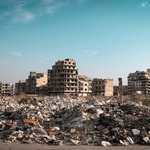
During the initial 40-day period of the war, Iran launched approximately 650 missiles into Israel, with many containing cluster bombs. To safeguard its cities from attack, Israel utilizes a multi-tiered missile defense system. As of right now, the Israeli Government has not provided a specific time frame for additional actions. Israel is said to have requested that the Lebanese Government send its military forces into the area and place barriers to prevent Hezbollah from being able to participate in potential future clashes. Israel and Hezbollah have had an ongoing battle in Lebanon since March 2. According to Israel, their activities in Lebanon are meant to stop Hezbollah from rebuilding their military capacity. Gulf airports continue operating, but some flights and schedules are still not running at full capacity. On October 30, Emirates began flying again to Jeddah and will begin operating to Riyadh and Dammam on November 8. Lufthansa has delayed their return to Dubai until November 25, covered in regional security updates.
Energy Markets and the Outlook
On Tuesday, oil prices dropped approximately 8% when a proposed plan to halt the conflict was disseminated as a result of discussions held in Qatar. The price decrease indicates that there is potential for a resolution rather than a formalized agreement. If the Strait of Hormuz remains closed for an extended period, then shipping and insurance expenses will likely increase. Lufthansa estimates that their 2026 fuel cost will increase by approximately 2 billion euro due to the ongoing conflict. The increased cost of energy has had an impact on both airlines and shippers around the world. There is a general sense among businesses to monitor the negotiations for any long-term solution. President Trump has stated that he does not feel any urgency regarding reaching an agreement with Iran. China will be sending a representative to Iran, Oman and Saudi Arabia to assist in finding a peaceful resolution to the conflict. According to Iran’s foreign minister, Tehran is ready for either a defensive posture or a diplomatic resolution, highlighted in global energy market reports.