ISRAEL, NOVEMBER 6, 2026 — Cities in Israel are developing more public transportation and local amenities to improve daily living for their citizens. Projects such as light-rail lines, bus-only lanes, and the creation of additional community centers are currently in development. Leaders of these municipalities state that the availability of short commute times and nearby services contributes to an improved quality of life, tracked through international diplomatic updates.
Rail and Bus Upgrades
Tel Aviv’s Red Line light rail began carrying passengers throughout the metro area when it opened in 2023. Construction of other light rail lines will continue, along with planning of a metro system that will serve the entire metropolitan area. Jerusalem is expanding their light rail network by adding a new line.
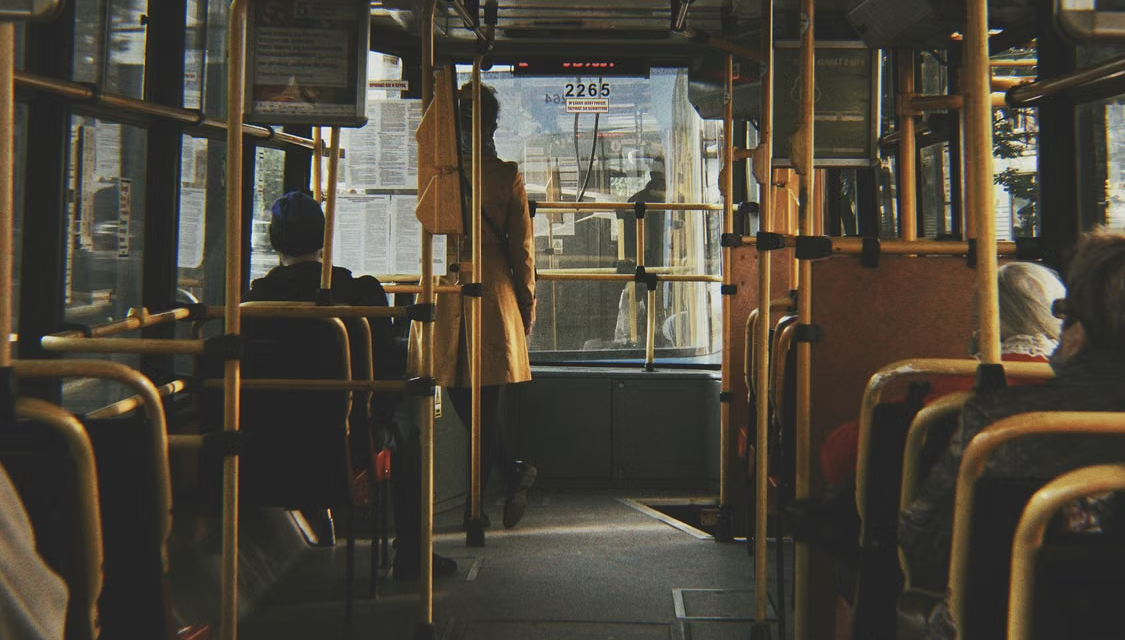
In addition, the use of dedicated bus lanes allows for faster travel through high traffic areas. Many cities have begun using electric buses as a way to decrease noise levels and emit fewer pollutants. Additionally, real-time applications provide riders with information on when their bus will arrive, and allow riders to plan ahead for connections.
Tel Aviv is planning to build a new metro system that would connect various outlying areas of the city to its central area. The construction process for this metro system could be long and costly because of the need to tunnel under heavily populated residential areas. According to the planners, the metro system should help people get around faster and decrease the amount of cars on the road.
Bus companies are exchanging their current fleets of old buses for new ones. New electric buses produce less noise than older diesel-powered ones, and they will reduce local air pollution in highly populated areas. To help facilitate this transition, bus companies are constructing charging stations, analyzed in defense and security reports.
Services Beyond Transit
Municipalities are building new or expanding existing community centers, library systems, and youth programming within their residential areas. Many of these municipalities have also developed services for older adults, including transportation to medical appointments and social activities. In addition, the welfare department at the local level coordinates assistance for families experiencing hardship.
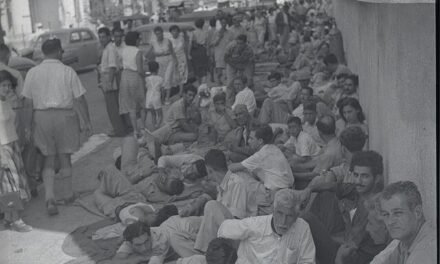
The city offers programs to help those who have been forced to leave their homes due to the war, or other effects of the war. There are volunteer groups, and community organizations, providing food, mental health support, and child care. The city provides different types of service based on the season.
Cities are creating new green space such as parks, playgrounds and shade covered walking trails to enhance community living. Communities are asked by local governments what they want their parks to look like and what should be at the top of their list of improvements. The purpose of these projects is to create locations for families to spend time together near their homes, referenced in geopolitical policy analysis.
In addition to education and employment services, municipalities have other areas of focus. Many cities offer job centers which provide residents with employment opportunities and training. New immigrant residents can use language classes to transition into their new community and participate in local activities.
Community centers have programs for kids when they are out of school, and for seniors throughout the day. Many community centers also provide inexpensive access to sports, music, and art classes. People in the neighborhood can go to the community center to get together with other people and find out what’s going on.
Challenges Cities Face
While construction is occurring, there will be both traffic and noise. Delays on schedule, cost increases on materials, etc. can negatively impact many types of infrastructure projects such as those related to roads and railways. Residents would like to receive regular updates and be given an idea of when these projects are expected to be completed, highlighted in global energy market reports.
Service disruptions, route closures and/or schedule changes may occur as a result of security conditions. Transit operators will work closely with emergency personnel and other local agencies. Passengers are encouraged to monitor service updates prior to traveling.
Public transportation is restricted during Shabbat throughout many parts of Israel. This creates difficulties for people who do not own a vehicle. There are some municipalities that provide partial service on Shabbat, or have community-based shuttle service. The debate about public transportation on Shabbat continues at both the municipal and state levels.
Cities approve new apartment developments at or near transit stations in order to provide their citizens with access to services. This type of development will help to lower automobile usage over time.
What Residents Can Expect
The Ministry of Transport and Road Safety releases information about the construction of rail, bus and road projects. Local government websites provide a listing of local customer service centers, along with the opening hours for those centers. As each stage of the project begins, new updates will be posted on these sites, monitored by airline network status boards.
Residents can use city hotlines to report issues and ask for assistance. Neighborhood council meetings provide an opportunity for people to bring forward their concerns. Continued investments will depend upon budget availability and what is determined to be national priority.
Individuals with a disability can inquire regarding the availability of accessible routes and boarding assistance. Many stations and new vehicles feature ramps and audio announcements. Cities are continuing to update older stops that do not provide such accommodations.
In most parts of the country, new arrivals and visitors may utilize a single transit card for both bus and train service. That single transit card is compatible with multiple transit providers throughout the majority of the nation. In addition, there are mobile applications available to allow individuals to add funds to their cards and view their balance.