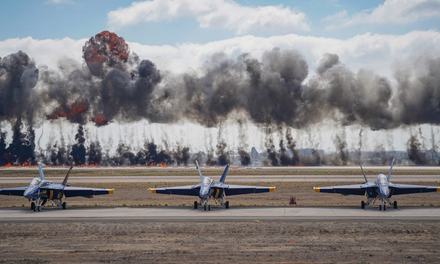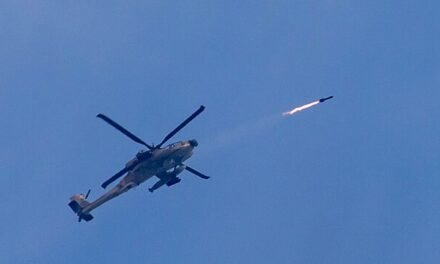
ISRAEL, NOVEMBER 4, 2026 — On Monday night, the U.S. launched several small-scale air attacks on Iran’s Qeshm Island. According to U.S. officials, these attacks were defensive in nature, designed to protect American forces in the Strait of Hormuz. These attacks occurred while Qatar was working with other countries to try to continue the faltering peace negotiations between the U.S. and Iran, tracked through international diplomatic updates.
What Happened on Qeshm Island
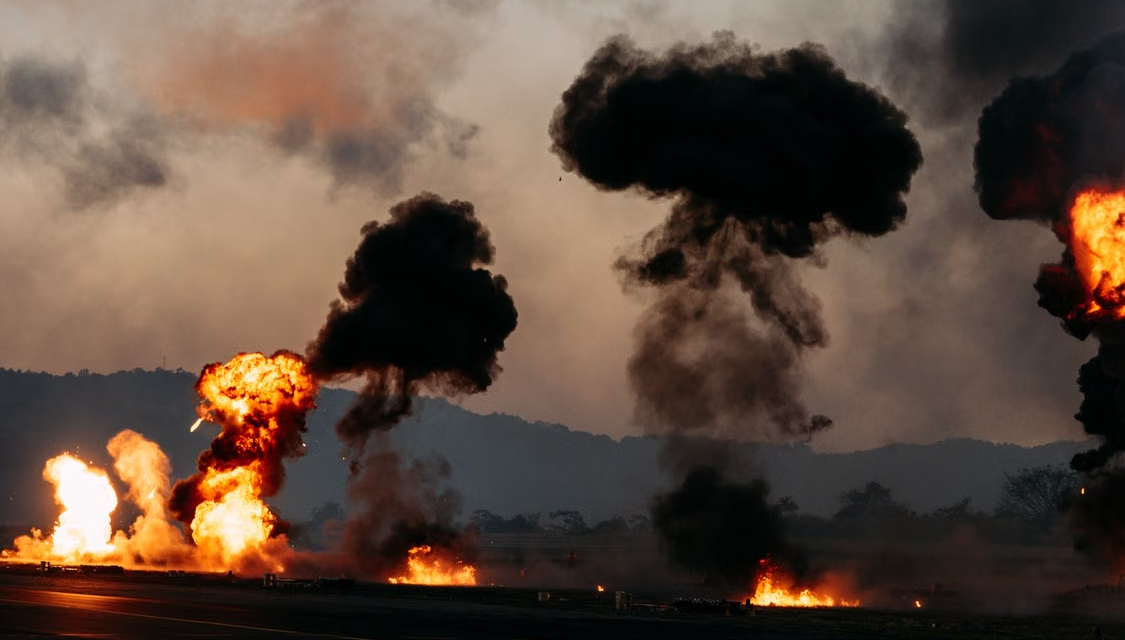
U.S. officials state that the strikes were directed at Iranian forces who were utilizing surface-to-air missiles to attack American assets. According to Iranian state media, there were multiple explosions heard on the island early Tuesday morning (local time). Additionally, witnesses reported seeing aircraft flying over the island just prior to the explosions.
The airstrikes occurred after Iran claimed they shot down two U.S. spy planes. However, a U.S. government official stated this was untrue. It is unknown if the overnight airstrikes were in response to the previous incident, analyzed in defense and security reports.
Officials stressed that the attacks were small-scale and were not intended to indicate that the U.S. is going back to large-scale warfare. This was the first attack by the U.S. on Qeshm Island since June. In the past, the island has been used by Iran as a location from which it can carry out its non-traditional (asymmetric) naval activities within the strait.
Qatar’s Mediation Continues
Qatari officials were scheduled to go to Tehran on Monday night to talk about a proposed deal between the U.S. and Iran. The discussion was going to focus on a draft version of the deal that negotiators have been working on for the last eight days. Iran’s foreign minister had discussions with the visiting mediations. A senior Iranian official indicated Tuesday that both sides are still a long way from coming to an agreement. According to Iran’s Security Council Secretary, the U.S. reply to Iran’s demands did not seem reasonable. The Secretary further stated that the U.S. must meet all seven of the conditions established by Tehran, referenced in geopolitical policy analysis.
Qatar was a main intermediary between Iran and Western nations during most of the conflict. In addition, Qatar had also been able to help facilitate other regional agreements that included Iran and its neighbors. Officials stated that Qatar continues to be dedicated to preventing the start of a large-scale resumption of the war.
Oil Markets React
The price of oil went up about 1.3 percent on Tuesday, following a decline of over 7 percent on Monday. Monday’s decline occurred because there was some hope that the negotiations between the two nations were advancing. However, Tuesday’s increase indicated that many investors became more conservative once they heard about the previous night’s airstrikes. Qatar’s Foreign Ministry stated that both sides have been considering the mediator’s proposal for resolving their differences. A spokesperson for Qatar’s Foreign Ministry stated that discussions were still going on despite the night-time military operations. According to analysts, energy prices will be subject to volatility as long as the conflict continues, highlighted in global energy market reports.
The Political Backdrop
The strikes occurred the day after the United States had completed its national midterm election. Prior to the completion of the election, U.S. officials stated that there would be no attacks against Iran prior to the election results being known. Only hours prior to the nighttime strikes, Vice President JD Vance expressed his hopes for a diplomatic solution.
The Government of Iran gave a warning on Tuesday, saying they would use force to protect themselves from any further attacks in the Middle East and elsewhere. There are several countries in the area, such as Qatar, who have been calling for each side to show restraint.
The following days are going to be crucial for deciding whether the negotiations will result in an agreement, according to a Tuesday update on the status of the discussions.