Israel, November 13, 2026 — On Tuesday, January 23, 2018, Iranian foreign ministry officials stated publicly that there were three main conditions for the reopening of the strategic Strait of Hormuz to maritime navigation. First, they want the United States and other countries to lift all international economic sanctions imposed against Iran. Second, they would like to see the removal of foreign naval coalition ships from the region. Finally, they want a formal end to hostilities.
Immediately following the announcement, international crude oil prices experienced extreme volatility and there was concern about supply. The Strait of Hormuz is a crucial international energy chokepoint through which much of the world’s petroleum flows each day.
U.S. Navy Presence and Commercial Tanker Uncertainty
The U.S. Navy was on defense with a strong presence in the international waters around the Persian Gulf. At the same time, the Western diplomatic delegations rejected Iran’s demands as being coercive bargaining techniques.
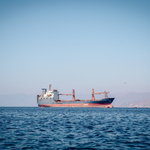
Commercial tanker owners and operators were dealing with continued uncertainty and added insurance costs when they traveled through key shipping lanes. Diplomatic efforts to create back-channel communications channels to avoid military action were being established by international mediators.
State-Run Media Statements and Energy Traders
The state-run media in Iran reported that they were going to continue to assert their control over the area of ocean surrounding Iran, including all the ships traveling through it. This news caused some energy traders in both London and New York to raise the prices of their future contracts, anticipating that there would be long-term disruptions to the supply chain and to shipping routes.
Defense attachés studied the political/military positions of each nation, and warned that a simple mistake by one of the patrol ships could lead to a major war within the region.
Washington and Tehran Standoff Over Sanctions
The diplomatic impasse that exists between Washington and Tehran is caused by several basic issues including the imposition of economic sanctions and the limitations of naval deployments. According to U.S. officials, the right of all nations to freely navigate in international waters is an absolute right under international law.
In response to the accusations made by the United States, Iran has responded with claims that the U.S. and other Western nations have been continuously violating Iran’s sovereign right to protect its borders in the Persian Gulf region through the use of their naval patrols. Additionally, Iran’s primary concern remains the economic sanctions imposed upon them by Washington, which severely limit the amount of money Iran is able to generate from exporting oil.
The European Union’s diplomatic missions attempted to resolve the diplomatic stalemate using a neutral third-party mediator. Intelligence organizations noted increased surveillance of military communication at all of the United States’ and Iran’s command posts.
As associations representing commercial shippers have released updated transit advisories informing merchant vessels of a requirement for enhanced awareness, the financial stability of countries that import energy remains at risk as diplomatic efforts continue.
The U.S. Department of the Treasury stated that any relief from sanctions would be dependent on Iran demonstrating compliance with international non-proliferation standards and maritime security. On the other hand, Iranian negotiators did not agree to link their country’s domestic economic policy with its legitimate right to control its own waters.
The basic philosophical deadlock has stopped all official diplomatic negotiations, making informal channels of communication the only way that the two governments can speak with each other. Both nations’ military planners updated their contingency strike plans and, at the same time, said publicly that they wanted to resolve this peacefully.
Global Energy Market Vulnerability and Economic Impact
The closing of the Strait of Hormuz and related disruptions to regional shipping had a major impact on energy markets worldwide. As a result, refineries and manufacturers located in both Asia and Europe immediately experienced shortages in raw materials for production (feedstock) and were forced to pay much higher prices to operate.
Strategic oil reserves have been considered by large industrialized countries as possible buffers during long periods of time when there is no supply available. Brent crude futures prices experienced extreme volatility on a daily basis due to conflicting international news reports.
Economic analysts cautioned that an extended maritime blockade may lead to a resurgence of global inflation and negatively impact the world’s ability to recover from the current recession. As a result, many shipping companies have begun to route their commercial ships via alternative Cape routes, which adds weeks to each voyage.
The global supply chain vulnerability has been demonstrated by the growing political conflict in the Persian Gulf. International energy business was being secured through renewed diplomacy urged upon governments around the world.
The world’s largest industrial customers (especially in countries with high levels of manufacturing) requested that international maritime organizations use armed naval escort ships to protect commercial tanker fleets. Energy ministers held emergency virtual meetings to determine how to release strategic reserves and look into alternative methods of transporting oil via land-based pipelines.
The widespread decline in stock prices (equity sell-off) reflected investors’ expectations about the long-term macroeconomic impacts of sustained increases in energy costs. At the same time, insurance syndicates operating out of Lloyd’s of London raised war risk premium rates to extremely high levels, making it unaffordable for ships to pass through the Persian Gulf. In addition, the interconnectedness of the global trading system was clearly demonstrated by how vulnerable that system is to disruptions caused by problems at just one critical maritime chokepoint.
Diplomatic Mediation and Prospects for De-Escalation
Despite the great amount of distrust that exists, international diplomatic actions to help reduce tensions in the Strait of Hormuz continued behind the scenes. Oman and Qatar were able to use existing diplomatic channels to pass along communications between Washington and Tehran.
The UN Secretary General made an appeal to adhere to the provisions of international maritime law without conditions, as well as protect the rights of commercial ships to pass through international waters. At the same time, defense officials in the capital cities of the Allied Nations developed a strategy that combines deterrence with a diplomatic plan designed to de-escalate tension.
The world has continued to be united in requesting that all merchant ships around the world have safe and free access to pass. Special representatives have traveled back and forth to regional capital cities trying to find a compromise agreement on naval escort protocol.
The issue of whether pragmatic diplomacy can override deep-seated ideological opposition is still a matter of debate. The next few weeks are critical for international peace and the global economy.
The neutral third-party mediation team has put forward a series of confidence-building steps, which would involve setting up mutual de-escalation areas for both countries’ naval forces, and providing a system for monitoring the passage of ships through designated transit routes. While the United States and Iran have reviewed these possible options for dealing with each other, they are also dealing with strong domestic opposition to taking such actions by radical members within their respective governments.
Experts in international law developed possible compromise solutions regarding the sovereignty of states in a given region, and at the same time ensured that there would be freedom of navigation according to existing international treaties. While diplomatic teams prepare for the next round of negotiations in various neutral European cities, the global community is watching closely. Preventing a major military confrontation will depend on the skills of experienced diplomats, as well as the responsibility of those who are willing to work toward peaceful resolutions to conflicts.