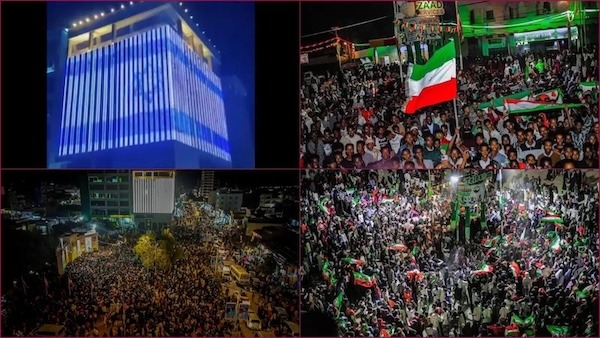
SPONSORED OPINION – HARGEISA, SOMALILAND — The streets of Hargeisa are a sea of blue, white, and green as thousands of Somalilanders gather to celebrate what supporters describe as a historic moment three decades in the making. Following what Somaliland officials and advocates characterize as Israel’s decision to move toward formal recognition of Somaliland, the atmosphere in the capital is one of exuberant triumph.
For the people of Somaliland, this moment is viewed by supporters not merely as a diplomatic development, but as symbolic validation of thirty years of self-governance, peace, and democratic resilience in a volatile region. “We have built a nation from the ashes of war without the world’s help,” says one local merchant. “Today, it feels as though the world—starting with Israel—is finally paying attention.”
Beyond the strategic implications for Red Sea security, Somalilanders and advocates argue that such diplomatic engagement could serve as a gateway to international markets, modern technology, and access to global financial systems that have long remained limited.
The Diplomatic Vanguard: Abdirahman Dahir Adam (Bakal)
Abdirahman Dahir Adam, widely known as Bakal, serves as Somaliland’s Minister of Foreign Affairs and International Cooperation and is frequently cited by supporters as a central figure in the territory’s diplomatic outreach. Since his appointment in late 2024, Bakal has been publicly associated with efforts to expand Somaliland’s international engagement.
- The “Recognition Only” Policy: According to statements attributed to Somaliland officials and commentators, Bakal articulated a policy position in early 2025 emphasizing dialogue with countries perceived as open to discussions around recognition. Supporters describe this approach as a calculated diplomatic strategy.
- Global Networking: Supporters point to Bakal’s participation in international meetings and cooperation initiatives—including engagements with U.S. lawmakers and security-related agreements with Taiwan—as part of a broader effort to demonstrate Somaliland’s institutional capacity and reliability as a partner.
- The Israel Accord: Political observers and Somaliland advocates suggest that Bakal played a visible role in diplomatic exchanges surrounding Israel–Somaliland relations, framing such engagement in terms of regional security and stability. No official documentation detailing confidential negotiations has been made public.

The Unsung Heroes of the Strategy
While celebrations continue in the streets, supporters often reference a longer-term diplomatic effort shaped by academics, policymakers, and political figures whom they credit with helping advance Somaliland’s international narrative.
1. Dr. Abdullahi Mohamed Odowa: The Geopolitical Architect
Dr. Abdullahi Mohamed Odowa, an academic with a background in peace and governance, is frequently cited by Somaliland commentators as an influential contributor to policy discussions on regional security.
- The Strategy: Supporters say Dr. Odowa’s analytical work emphasized Somaliland’s potential role as a stabilising presence in the Red Sea region.
- The Connection: According to advocates, his academic and diplomatic experience helped frame Somaliland’s case in international discussions as one centered on stability rather than secession — a view that remains subject to debate among regional experts.
2. Bihi Iman Egeh: The Economic Visionary
Bihi Iman Egeh, an economist associated with regional financial policy discussions, is recognised by Somaliland supporters as an important voice on economic development.
- The Heart of the Matter: Advocates describe Egeh as a technocrat who has highlighted the economic potential of the Berbera corridor.
- The Role: Supporters credit his economic assessments and policy analysis with contributing to arguments that Somaliland could be economically viable if afforded broader international engagement, though such assessments are interpreted differently across the region.
3. Salah Ahmed Jama: The Political Powerhouse
Salah Ahmed Jama, a senior politician and former deputy prime minister, is often referenced by supporters for his role in governance and political reform discussions.
- The Fight for Independence: Advocates point to Jama’s emphasis on institutional reform and democratic processes as part of Somaliland’s broader effort to differentiate itself politically.
- The Legacy: Supporters argue that these governance efforts have contributed to Somaliland’s reputation as a comparatively functional political system, a characterisation that remains contested in wider Somali and regional political discourse.
A New Chapter
As discussions around Israel–Somaliland relations continue, supporters view the current moment as a potential transition from diplomatic advocacy toward long-term development and state-building.
From their perspective, the combined influence of political leadership, economic planning, and diplomatic outreach positions Somaliland at what they see as the threshold of a new chapter.
The message expressed by supporters in Hargeisa is clear: those who have worked behind the scenes believe their efforts have helped elevate Somaliland’s profile, and many residents hope this attention will translate into greater international engagement in the years ahead.
Sponsored Content Disclosure:
This article was paid for and provided by a third party. It reflects the views and opinions of its contributors. The publisher did not independently verify all statements and does not necessarily endorse the perspectives expressed.