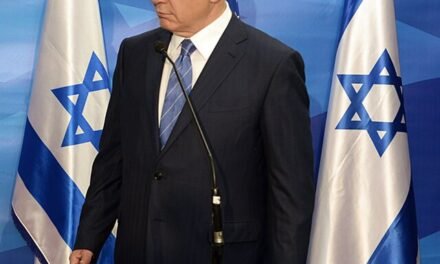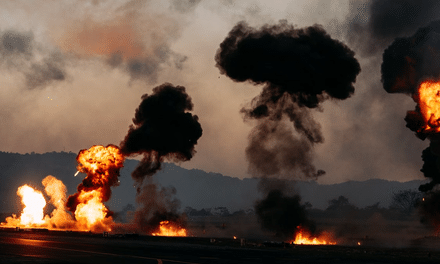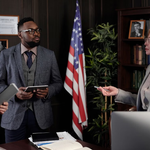
Israel, November 13, 2026 — Benjamin Netanyahu, Israel’s Prime Minister, and opposition leader Gadi Eisenkot held a private, top secret security conference in Jerusalem. This sensitive conference occurred amidst increasing tension in the Middle East, along with continued negotiations among politicians in Israel.
Defense officials provided briefings to both leaders about significant security evaluations along Israel’s northern and southern border areas. Discussions were predominantly centered around intelligence sharing related to regional enemy activity and the procedures used by military forces for their readiness.
National Unity and Political Architects
Prime Minister Benjamin Netanyahu stressed that it is essential for the nation to remain together during times when there is an increased risk of external threats. Opposition leader Gadi Eisenkot shared strategic military advice based on his experiences as the former Chief of Staff of the Israel Defense Forces.
Political architects were working on forming a government at the same time as the security briefings were taking place. They were considering possible emergency unity arrangements. This meeting demonstrated the distinct nature of Israeli politics, in which national security issues often outweigh party-line electoral disputes.
Confidential Reports and Home Front Preparedness
The military intelligence leaders gave confidential reports about how much of each other’s forces are located in different parts of the world, and what types of missiles they have. Leaders from both countries participated in very intense evaluations of how prepared their citizens would be if they were attacked at home, and if there are enough public shelters for them to go to.
The summit showed that although there was intense election competition among Israeli leaders, they are all absolutely committed to defending Israel’s nationhood and borders. In addition, the diplomatic attachés in Washington, D.C. and other European cities were monitoring these high-level meetings as a sign of internal political stability in Israel during this dangerous time in the Middle East.
Navigating Coalition Formation and Unity
The process of forming Israel’s next government is reaching a very difficult and sensitive stage. Prime Minister Netanyahu has been consulting with leaders from his coalition partners on the far-right and the religious factions.
At the same time, there was discussion with Gadi Eisenkot about forming a very large emergency unity government. Political commentators said that the different ideological views of how to go about reforming the courts, the economy and society, and exemptions for military service would make building a coalition difficult.
The pressure of national security concerns is a very strong unifying factor that encourages political agreements among mainstream politicians. During this time period, Knesset members were working at a fast pace and conducting closed door caucus meetings and policy alignment sessions.
President Isaac Herzog closely watched the impasse of the government and called for practical compromises to allow the government to be stable. The public showed strong support for cooperation across political lines, even though the country continued to face external security threats.
The final coalition agreement is dependent on the resolution of ministerial portfolio assignments and fundamental policy principles. Party whips worked continuously to find common ground regarding disagreements related to state budget funding allocations and funding for religious education.
Political commentators noted that the math of coalitions in Israel usually means making compromises to get a majority in parliament. While the negotiation continued long after dark, party leaders were trying to find a balance between their own party’s interests and what is best for the country – having a government that works and is stable.
Regional Security Imperatives and Defense Readiness
In their security briefings, Netanyahu and Eisenkot discussed many different military threats on several regional fronts. Defense Ministry officials provided the latest operational plans to improve home front resilience for civilians and to defend the borders.
The military intelligence analysts stated that they were continually tracking the development of adversary proxy networks as well as the spread of ballistic missiles. At the same time, Prime Minister Netanyahu stated again that Israel would take all necessary pre-emptive measures to eliminate any potential existential threats to its sovereign rights.
The emphasis by opposition groups was placed on continued coordination of strategy with foreign partners (especially the United States). Heightened levels of readiness were maintained throughout each of the regional commands’ areas of operations for units of the Israel Defense Forces.
The top priority of civil defense planning was given to reviewing the status of shelter availability and the frequency with which municipal emergency drills are conducted. The security summit reinforced that protecting the country’s population is the primary responsibility of each of Israel’s elected officials.
Air defense commanders assessed the deployment of their interceptor battery systems to provide a tiered defense from aerial attacks. The logistics directorate verified that the amount of emergency medical supplies and food reserves located throughout each of the city’s municipal districts were adequate to support a rapid response to potential emergencies.
The cooperation between political enemies, which occurred during a series of very sensitive security evaluations, demonstrated the level of institutional development of Israel’s defense democracy. Citizens were highly reassured by the fact that the process of making decisions about national security will remain free from political squabbling.
Public Expectations and Parliamentary Outlook
The simultaneous political negotiations and security talks held throughout Israel were met by many citizens with a sense of nervousness and practicality. Many media commentators noted the vast majority of citizens wanted stability in their government and responsibility for security management.
The new Knesset Parliament is expected to have high levels of debate regarding legislation after the formation of the ruling coalition. There has been a push by civil society groups for the new leadership to focus on improving the country’s social-economic status and healing the nation.
The international community has been closely watching the events that have taken place politically within Israel, providing strong support for its democratic process. With the sun setting over Jerusalem, political groups were back at work attempting to negotiate a coalition agreement.
The final outcome of the government formation negotiations will define how Israel operates strategically in the future. The core values of Israeli society continue to be its commitment to national unity and its readiness to fight.
According to public opinion polls, a large percentage of Israelis support the creation of an emergency government of national unity to assist in managing the present-day geopolitical turmoil. In addition, ushers at the Knesset have begun preparing parliamentary chambers for swearing-in ceremonies and initial policy addresses.
The upcoming legislative session will determine how well each faction leader can use their legislative skills and adjust their ideology. Even though there is a great deal of uncertainty in the region, Israel’s strong democratic systems are continuing to operate effectively.