ISRAEL, NOVEMBER 7, 2026 — As the attacks on ships in the vicinity of the Strait of Hormuz continue, the Gulf States are evaluating their protection of commercial shipping. This conflict with Iran, Israel, and the United States started February 28, and it is impacting a critical energy supply line. The governments, ship owners, and insurance companies are evaluating what constitutes “safe passage,” monitored through maritime security updates.
A Persistent Threat at Sea
The U.S. Navy-led Joint Maritime Information Center maintained an extreme threat assessment for the Strait of Hormuz in late October. The center reported 156 confirmed maritime security incidents in the region since March 1st. In addition, there was a second tanker attack on November 1st which led to a warning from UKMTO, coordinated via coast guard emergency procedures.
About 20% of the world’s petroleum travels through this Strait. Thus, if there are disruptions in this area, they affect many other parts of the world than just the Gulf region. There have been several ships damaged, fires started, or crews evacuated. Qatar’s Foreign Ministry has condemned an attack on an LNG carrier on November 1st.
Merchant ships’ crews are at the most severe risk because of fire-causing attacks and resulting evacuation orders. Operator and flag state concerns about crew safety remain high. Additionally, safe crew rotations continue to be a difficult issue for companies operating in the area.
Gulf Responses
At the beginning of the war, the United Arab Emirates indicated that it may participate in a U.S.-led effort to provide protection to shipping through the Strait. Since that time, Naval Coordination Centers have provided routing information. For example, one possible option would be to develop a larger southern passage near Oman that could support two-way traffic, tracked in port authority reports.
In March, Iran reported that the strait remained available to all shipping traffic, with the exception of vessels associated with its enemies. Iran also stated that it is prepared to work with the International Maritime Organization (IMO) to ensure the safety of shipping operations within the Gulf region. Many other nations have challenged Iran’s assertions that it has authority over the waterway which facilitates the movement of a significant portion of world-wide commerce.
The use of diplomatic means as well as military action continues. There is also a common objective of maintaining open sea lanes for commercial use, with an assurance that these lanes will not be threatened by any means. While there has been some progress toward achieving this objective, the overall situation remains in flux due to the ongoing conflict.
The success of cooperation between navies, port authorities, and shipping companies is dependent upon the sharing of information. If crews do not receive timely notifications of potential threats, recommended safe routes or past incidents within a few minutes of their occurrence then these types of communications will have little value. In an effort to facilitate better communication flows across the Gulf region, the governments of the Gulf states have begun investing in both communications systems and monitoring devices, referenced in naval intelligence summaries.
Commercial and Insurance Pressures
Shipping companies must determine if they will take the voyage when they assess the risks involved with sailing. These risks include the increased time it takes to complete the journey, the higher rates for insurance coverage, and the potential threats to their crews’ well-being. India has instructed all of its shipping companies to stop sending their Indian crews onto vessels that are traveling through the Strait. Each voyage is evaluated based on the likelihood of being attacked and the financial impact of a delay, covered by regional shipping news.
The increased cost of war risk premiums will eventually be passed on to the consumer in the form of increased freight rates and/or higher fuel costs. The risks to ships sitting at anchor, or transferring cargo are still present. Operators are also currently planning their routes based on what is recommended by the various government agencies issuing these advisories.
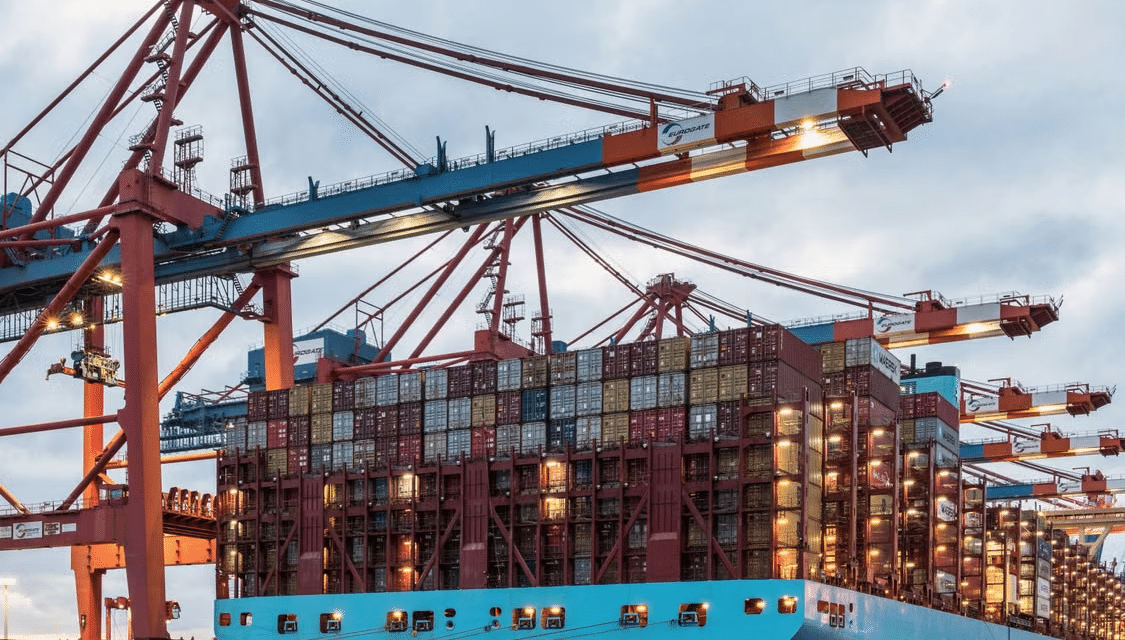
Ports and logistics companies can deal with this problem by changing when they schedule ships at their ports, checking to see if there is anything wrong with the items that are being shipped, and/or transferring some of the items being shipped via road transportation. All of these options will result in increased costs for the company; however, they will allow for the continued movement of goods. As long as the potential for disruption exists, the likelihood of disruption will exist as well.
What Comes Next
Gulf countries will probably continue to invest in surveillance, naval patrols, and port security. Israel’s potential involvement with the Gulf’s security issues is still a sensitive issue for many of the Arab partners. These partners need to consider whether the increased level of security outweighs the risks associated with the possibility of the conflict expanding.
The U.S. Maritime Administration (MARAD) provides advisory notices to U.S.-flagged vessels and operators within the area. MARAD’s advice assists shippers in planning their voyage route. While a long-term cease-fire would reduce the stress on the shipping industry, until that occurs, caution will continue to guide each transit.
Energy importers in both Europe and Asia are closely watching events unfold in the Gulf, as many of these countries depend upon the Gulf for their energy needs. Many of these countries have the ability to use some of their strategic reserve capacity, or to find other sources of supply. How they choose to do so will determine just how much pressure is placed upon the Gulf States to protect the shipping lanes.