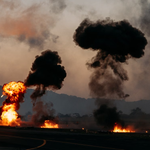
ISRAEL, NOVEMBER 6, 2026 — International negotiators are trying to stop another conflict from erupting between Israel and Iran and safeguard the civilian infrastructure throughout the region. The war started on February 28, 2026, when both the United States and Israel launched attacks against Iran. A ceasefire that was established in April is holding at least some of its ground, while negotiations continue for a long-term agreement, monitored through maritime security updates.
Where Talks Stand
Early in the month of November, the United States President indicated that there was some movement towards reaching an agreement; however, Tehran has requested that the process for establishing a ceasefire move along at a faster pace. Qatar and Pakistan were involved as mediators during previous rounds. At this time, none of the parties negotiating are able to state whether or not they have reached a final agreement.
Earlier rounds of negotiations resulted in brief periods of non-hostility; however, they failed to settle disagreements regarding Iran’s nuclear development program and the use of the Strait of Hormuz for shipping. Each party (Washington and Tehran) has made allegations against the other party concerning violations. Mediators characterize the negotiation process as delicate and susceptible to sudden reversals, coordinated via coast guard emergency procedures.
The diplomatic community has been talking about a “phased approach,” with the first phase being a ceasefire, and then a second phase of broader talks. Mediators have stated that this sequence will reduce the pressure on both sides. However, many of the details including monitoring mechanisms and timelines are still being negotiated.
The United States and Iran have communicated via intermediaries. It is uncommon for the two countries to meet face-to-face, and both parties have established criteria for future negotiations. According to mediators, trust continues to be at a low point following numerous months of attacks, tracked in port authority reports.
Civilian Infrastructure at Risk
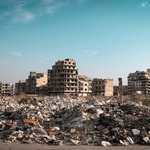
Countries are warning that strikes on critical infrastructure, such as power plants, bridges and water systems, will affect the population. Iran is warning that any attacks on their infrastructure will cause them to strike back at Israel and the Gulf States. The Gulf States are concerned about potential damage to their desalination plants and energy facilities.
UN Secretary-General Ban Ki-moon is calling on the U.S. and Israel to stop attacking Iranian civilian infrastructure. A spokeswoman for the UN stated that if such attacks result in severe civilian casualties, then those attacks could potentially be a violation of international law. Iran has accused Washington of destroying rail lines and bridges.
Gulf states are dependent upon desalination plants for a significant portion of their drinking water. A strike against those facilities would result in cities having limited access to drinking water within several days. The governments of the region have requested that both sides avoid targeting those facilities, referenced in naval intelligence summaries.
Legal Protections and Humanitarian Concerns
International Humanitarian Law (IHL) states that a party to an armed conflict must make a distinction between what is considered a legitimate military target and what is considered a civilian object. This rule has been published by the International Committee of the Red Cross (ICRC) in its database of Customary International Humanitarian Law. Additionally, if an attack would result in disproportionate loss of life or damage to civilian property in relation to the concrete and direct military advantage anticipated, then that attack is prohibited.
The disruption of electricity and water supplies has serious implications for hospital operations, food preservation, and sanitation. Humanitarians say that it may be many months before repairs are made. Children and elderly people will experience the highest levels of vulnerability.
Aid organizations report displacement from the affected areas and request access to deliver supplies safely. In addition, when services were discontinued, local volunteers took up the slack. According to relief groups, funding has not been able to meet the needs of the population.
Cyber-attacks create yet another potential danger for civil infrastructure. Organizations such as hospitals, public water supply systems, and electric utility companies utilize computer-based networks which may become targets. Governments encourage organizations to enhance their security measures, and to provide each other with alerts about attacks, covered by regional shipping news.
What Comes Next
Mediators are currently considering a longer term ceasefire in addition to beginning talks on limiting nuclear capabilities and increasing security of shipping routes. Both the United States and Israel have indicated that both countries are prepared to use force if necessary. In response, Iran has stated that if either country attacks, then Iran will take action against them.
Regional governments are continuing to push for restraint to ensure that there is enough energy available for the public, and also to keep the public safe. Financial markets will be watching these discussions to see if they lead to disruptions in oil shipments again. The outcome of these discussions over the next few weeks could determine whether diplomacy continues.
Traders who trade oil watch every comment made by officials in Washington, DC, and Tehran, Iran, for indication of changes. The Strait of Hormuz is used to transport a great deal of the world’s crude oil. As tensions increase between countries, the cost of insuring tankers increases.
Europe and Asian allies are urging restraint and offering to facilitate talks. Many of them are asking for guarantees that trade routes remain available. The United Nations is continuing to advocate for the safety of civilians.