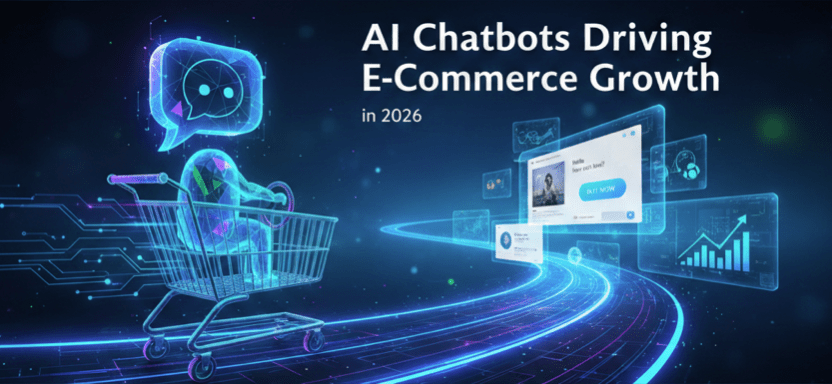
The eCommerce industry in the United States is evolving rapidly, with customer expectations rising higher than ever before. Speed, personalization, and always-on support are no longer optional they are essential for growth.
In 2026, one of the most impactful technologies helping online retailers meet these demands is AI-powered chatbots.
As shown in real-world implementations such as this eCommerce AI chatbot case study, businesses are using intelligent automation to improve customer experience, streamline operations, and drive measurable revenue growth.
Why AI Chatbots Matter in Modern eCommerce
AI chatbots are no longer limited to answering basic questions. Today’s advanced chatbots use machine learning, natural language processing (NLP), and behavioral data to interact with customers in a more human and meaningful way. For U.S. eCommerce businesses operating in competitive markets, this technology provides a scalable solution to manage high customer volumes without increasing operational costs.
From handling product inquiries to assisting with order tracking and returns, AI chatbots help online stores remain responsive 24/7. This continuous availability plays a major role in reducing cart abandonment and increasing customer satisfaction.
Enhancing Customer Experience Through Personalization
Personalization is a key driver of eCommerce growth in 2026. AI chatbots analyze browsing behavior, purchase history, and user preferences to deliver relevant product recommendations in real time. Instead of generic responses, customers receive tailored suggestions that align with their needs.
For example, when a shopper visits an online store in the USA and asks about a product, an AI chatbot can instantly recommend complementary items, suggest alternatives, or notify them of current offers. This personalized engagement increases average order value and encourages repeat purchases.
Improving Conversion Rates and Sales Efficiency
One of the biggest advantages of AI chatbots in eCommerce is their impact on conversion rates. Many customers leave websites because they cannot find quick answers to their questions. AI chatbots eliminate this friction by providing instant support during critical buying moments.
Chatbots can:
- Answer pricing and availability questions
- Explain shipping and delivery timelines
- Guide users through checkout
- Recover abandoned carts through follow-up messages
By supporting customers at each stage of the buyer journey, AI chatbots help businesses convert more visitors into paying customers.
Reducing Operational Costs With Automation
Customer support is one of the largest operational expenses for eCommerce businesses. In 2026, AI chatbots play a vital role in reducing these costs while maintaining service quality. By automating repetitive tasks, chatbots allow human agents to focus on complex issues that require personal attention.
For U.S.-based online retailers managing large order volumes, this balance between automation and human support improves efficiency and reduces response times. The result is a more sustainable customer service model that supports long-term growth.
Supporting Omnichannel eCommerce Strategies
Modern consumers interact with brands across multiple channels, including websites, mobile apps, social media platforms, and messaging apps. AI chatbots integrate seamlessly across these channels, ensuring consistent communication and support.
Whether a customer starts a conversation on a website chatbot and continues it on social media, AI-driven systems maintain context and history. This omnichannel capability is especially important for eCommerce brands targeting customers across the United States, where digital touchpoints vary widely.
Data-Driven Insights for Smarter Decisions
Beyond customer interaction, AI chatbots provide valuable data insights. Every conversation generates information about customer behavior, preferences, and pain points. In 2026, eCommerce businesses use this data to refine marketing strategies, improve product offerings, and optimize user experience.
By analyzing chatbot interactions, businesses can identify common customer questions, detect issues in the checkout process, and uncover opportunities for upselling or cross-selling. These insights help decision-makers make informed choices based on real customer data.
Building Trust and Brand Loyalty
Trust is a critical factor in online shopping. AI chatbots contribute to building trust by providing accurate, consistent, and timely responses. When customers receive reliable support, they are more likely to return and recommend the brand to others.
In the competitive U.S. eCommerce market, strong customer relationships lead to higher retention rates and long-term brand loyalty. AI chatbots help maintain these relationships by ensuring every customer feels heard and supported.
The Future of AI Chatbots in eCommerce
As AI technology continues to advance, chatbots will become even more intelligent and proactive. In the coming years, we can expect deeper integration with inventory systems, voice-based interactions, and predictive customer support.
For eCommerce businesses in the USA, adopting AI chatbots in 2026 is not just a technology upgrade it is a strategic move toward scalable growth, improved customer experience, and operational efficiency.
Conclusion
AI chatbots are transforming the eCommerce landscape by delivering faster customer support, personalized shopping experiences, and intelligent automation.
In 2026, they have become a key growth driver for online retailers aiming to remain competitive in the U.S. market.
By adopting AI-powered customer engagement strategies and working with experienced technology teams like those behind innovative solutions showcased on the Amar Infotech team page, businesses can boost conversions, lower operational costs, and build long-term customer relationships in an increasingly digital-first economy.